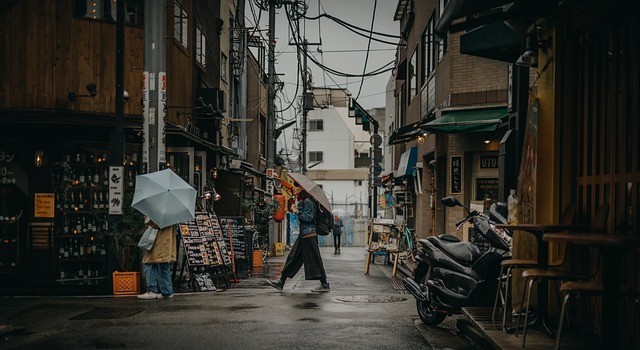
Choosing between Tokyo and Osaka is one of the biggest decisions first-time Japan travelers make. Both cities are exciting, food-focused and easy to build a trip around, but they feel very different. Tokyo is bigger, more varied and more intense. Osaka is friendlier, easier to navigate and often a little less expensive.
If you only have time for one, the better choice depends on the kind of trip you want. This guide compares Tokyo vs Osaka for tourists across atmosphere, attractions, food, nightlife, cost and day trips so you can choose with confidence.
Quick answer: Tokyo or Osaka?
- Choose Tokyo if you want the biggest range of neighborhoods, attractions, shopping and classic big-city Japan energy.
- Choose Osaka if you want great food, a more relaxed vibe, easier day trips to Kyoto and Nara, and a city that feels simpler on a short trip.
- For most first-time visitors, Tokyo is the better standalone choice.
Tokyo vs Osaka at a glance
| Category | Tokyo | Osaka |
|---|---|---|
| Best for first trip | Yes, strongest all-around choice | Yes, especially with Kyoto add-on |
| Atmosphere | Fast, varied, huge | Friendly, lively, more casual |
| Food scene | World-class and endless | Legendary street food and value |
| Nightlife | More variety | Fun and more compact |
| Cost | Usually higher | Usually a bit cheaper |
| Day trips | Nikko, Kamakura, Hakone | Kyoto, Nara, Kobe, Himeji |
1. Atmosphere and first impressions
Tokyo feels like several cities layered together. One neighborhood can be sleek and business-like, the next playful and youth-oriented, and another traditional and quiet. The sheer scale is part of the appeal. You can spend days exploring and still feel like you barely scratched the surface.
Osaka, by contrast, feels more direct and approachable. It has the energy of a major city, but it is easier to understand quickly. Areas like Namba, Dotonbori and Umeda are lively without being as overwhelming as Tokyo.
Winner: Tokyo for variety, Osaka for ease and personality.
2. Attractions and sightseeing
Tokyo wins on breadth. It offers famous districts like Shibuya, Shinjuku, Asakusa, Ginza and Akihabara, plus museums, skyline views, gardens, day trips and themed experiences. If you want a little bit of everything, Tokyo keeps delivering.
Osaka’s main urban attractions are fewer, but that is not necessarily a weakness. The city itself is often more about atmosphere, eating and fun evenings than ticking off landmark-heavy sightseeing days. Its big advantage is its location near Kyoto, Nara and Kobe.
Winner: Tokyo for city attractions, Osaka for regional sightseeing access.
3. Food, where Osaka really shines
Both cities are excellent for food, but they excel in different ways. Tokyo has almost unlimited dining depth, from ramen counters and sushi spots to high-end tasting menus and neighborhood izakayas. If you are obsessed with food variety, Tokyo is hard to beat.
Osaka has a reputation as Japan’s kitchen for a reason. It is famous for takoyaki, okonomiyaki, kushikatsu and a more casual, eat-first spirit. Food in Osaka often feels fun, accessible and a little more budget-friendly.
Winner: Osaka for casual food culture and value, Tokyo for overall range.
4. Nightlife and evenings
Tokyo gives you more of everything, cocktail bars, clubbing, tiny alleys, rooftop drinks, late-night ramen and neighborhood-specific scenes. It is the better option if nightlife variety matters to you.
Osaka is easier to enjoy without planning. Dotonbori and Namba are lively, bright and compact, making it simple to build a fun evening around food, drinks and street atmosphere.
Winner: Tokyo for depth, Osaka for effortless fun.
5. Cost and travel budget
Neither city is cheap in the abstract, but Osaka is often slightly easier on the budget. Hotel prices can be lower, meals are often a bit better value, and navigating the city can feel simpler on a short stay. Tokyo has more ultra-budget and ultra-luxury options, but average first-time travel costs often run higher.
Winner: Osaka
6. Ease of getting around
Tokyo’s transport system is excellent, but the city is so large that it can feel intense at first. You can absolutely manage it, but there is a learning curve.
Osaka is easier to get comfortable with quickly. The central areas most tourists use are more compact, and it is often less mentally tiring to move around.
Winner: Osaka
7. Best city for day trips
This category depends on your priorities. From Tokyo, popular day trips include Hakone, Nikko, Kamakura and Yokohama. From Osaka, you can reach Kyoto, Nara, Kobe and Himeji with relative ease, which is an outstanding lineup.
If your trip includes temple-heavy cultural sightseeing, Osaka has the edge because Kyoto and Nara are so close. If you want variety that includes mountains, coast and modern cities, Tokyo’s day trip menu is broader.
Winner: Osaka for classic first-time cultural day trips
Tokyo vs Osaka for first-time visitors
If this is your first time in Japan and you can only choose one city, Tokyo is usually the better choice. It delivers the strongest all-around introduction to Japan’s scale, energy, contrasts and urban travel experience.
That said, Osaka may be the smarter choice if you prefer a more relaxed city base and want to pair it with Kyoto and Nara. In practice, many travelers who say they loved Osaka also mean they loved the whole Kansai region.
Choose Tokyo if…
- you want the biggest and most varied city experience
- you enjoy shopping, neighborhoods and urban exploration
- you have enough days to settle into a large city
- you want the strongest standalone Japan city break
Choose Osaka if…
- you want amazing food and a more relaxed pace
- you plan to visit Kyoto, Nara or Kobe
- you prefer a city that feels easier to navigate
- you want to keep costs a little lower
Final verdict: is Tokyo or Osaka better?
For a pure city-vs-city comparison, Tokyo is better for most tourists. It has more iconic neighborhoods, more attractions, more variety and more first-trip wow factor.
But Osaka is better for some travel styles, especially if food, ease, value and nearby cultural day trips matter more than sheer scale. If you can visit both, even better. If you can only pick one, choose the city that matches how you actually like to travel, not just the one that looks biggest on paper.