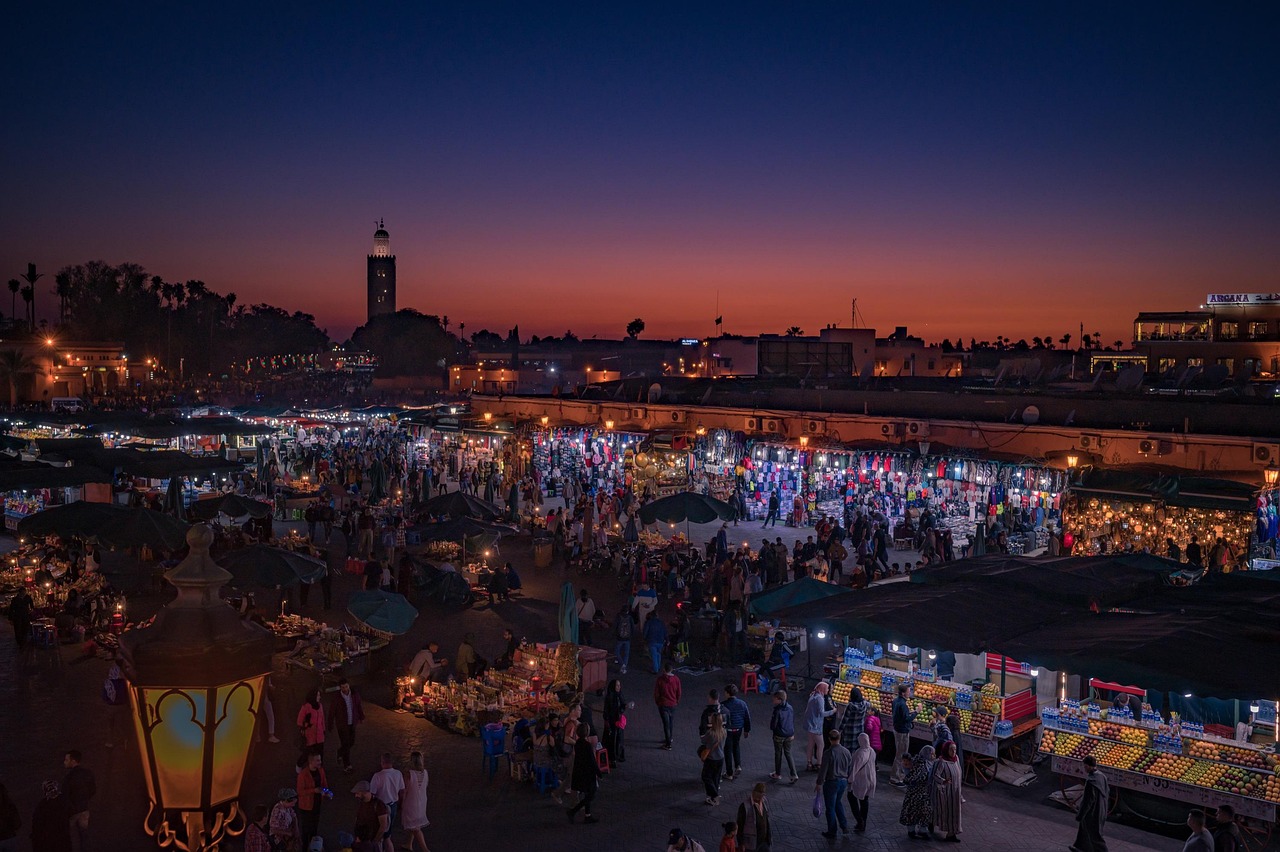
Morocco is one of the most popular travel destinations in North Africa, and for most visitors, it is a rewarding and manageable place to travel. The country offers historic medinas, desert landscapes, mountain villages, Atlantic beaches, and a well-established tourism network. But many first-time travelers still ask the same practical question: is Morocco safe for tourists in 2026?
For most tourists, Morocco is generally safe to visit in 2026 when you use normal city awareness and plan carefully. Serious violent crime affecting tourists is not the main issue for most trips. The more common problems are petty theft, scams, navigation stress in old medinas, pushy sales tactics, and transport misunderstandings.
In other words, Morocco is not usually a place where tourists should panic, but it is a place where smart habits make a big difference. This guide explains what travelers should realistically expect and how to stay safer without ruining the trip.
Quick answer: how safe is Morocco?
- Overall: generally safe for tourists who use common-sense precautions
- Main risks: pickpocketing, scams, aggressive touting, fake guides, taxi disputes, and tourist-targeted overcharging
- Best safety approach: stay in well-reviewed areas, arrange arrivals in advance, and avoid getting flustered in busy medinas
- Solo travel: very possible, but easier with extra planning
- Women travelers: doable, though unwanted attention can happen and modest dress can reduce hassle
What are the most common safety issues for tourists?
The most likely problems in Morocco are not dramatic crimes. They are the smaller, frustrating situations that can wear travelers down if they are unprepared.
1. Pickpocketing and petty theft
Busy medinas, crowded squares, bus stations, and transport hubs are the places to be most alert. Keep your phone secure, avoid flashing cash, and use a crossbody bag or zipped daypack. If you are carrying a passport, store it safely and consider using a hotel safe when practical.
2. Unofficial guides and navigation scams
In older medinas, especially if you look lost, someone may offer to show you the way and later demand payment. Sometimes the help is genuine, but it is better not to rely on random street guidance. Ask your riad host for a pinned map point, offline directions, or a trusted guide if needed.
3. Taxi overcharging
Taxi confusion is common in Moroccan cities. Some drivers may refuse the meter, quote inflated flat rates, or misunderstand the destination. A simple fix is to ask your accommodation what the normal price should be before leaving, carry small cash, and confirm the fare before the ride if the meter is not in use.
4. Market pressure and tourist pricing
In souks and high-traffic visitor areas, expect bargaining, attention from sellers, and prices that start high. This is more tiring than dangerous, but it can make new travelers feel uneasy. Staying calm, saying no politely, and walking away usually works better than getting drawn into long back-and-forth conversations.
Is Morocco safe for solo travelers?
Yes, many solo travelers visit Morocco successfully every year. Still, solo travel here can feel more intense than in some parts of Europe or East Asia because the street environment is more interactive and less anonymous. If you are comfortable with attention, negotiation, and a bit of unpredictability, Morocco can be very rewarding.
For first-time solo travelers to Morocco, cities such as Marrakech, Essaouira, and Rabat often feel easier than jumping straight into a more complex route. Booking good riads, keeping first-day logistics simple, and joining a few structured tours can make the trip noticeably smoother.
Is Morocco safe for women travelers?
Morocco is a common destination for solo women and women traveling in pairs or groups, but the experience can vary. Unwanted comments, staring, or attempts at conversation can happen, especially in busy urban areas and medinas. This does not mean women should avoid Morocco, but it does mean expectations should be realistic.
Practical steps that often help include dressing modestly by local standards, walking with confidence, avoiding very quiet streets late at night, arranging airport transfers ahead of time, and choosing riads with strong recent reviews. Many women travelers also prefer guided tours for certain arrival days or medina-heavy cities to reduce stress.
Are Moroccan medinas safe?
Medinas are one of the biggest reasons people visit Morocco, and they are usually safe to explore during the day with normal awareness. The challenge is less about severe danger and more about confusion. Streets can be maze-like, crowds can be dense, and the constant sensory input can make you feel disoriented.
To stay safer in medinas:
- Download offline maps before you arrive
- Ask your riad to send walking directions and landmarks
- Do not follow strangers to “shortcuts” or hidden viewpoints
- Return before late night if you are unfamiliar with the area
- Keep valuables out of easy reach
Is transport in Morocco safe?
In general, yes. Trains between major cities are widely used and often the easiest option for visitors. Private transfers and reputable drivers are also common for tourist routes. Buses can be useful too, though comfort and timing vary.
The main transport safety issue for tourists is not usually serious danger. It is confusion, overcharging, or poor coordination on arrival. Late-night arrivals, first-time station transfers, and airport taxi negotiations are the moments where people feel most vulnerable. Pre-booking your first transfer is often worth the small extra cost.
Are there places tourists should be more careful?
Busy tourist centers such as parts of Marrakech and Fez require the most street awareness simply because they attract more hustling and tourist-focused scams. That does not make them unsafe in a broader sense. It just means visitors should stay alert, especially if they are tired, jet-lagged, or navigating after dark.
Remote areas, mountain routes, or desert excursions are usually best done with reputable operators if you do not have experience organizing them independently. In those settings, the bigger risks are logistical rather than criminal, such as weather shifts, long distances, or unreliable transport arrangements.
Health and practical safety
Basic travel hygiene matters in Morocco, especially with food, water habits, and heat. Drink plenty of water, ease into very rich meals if you have a sensitive stomach, and use sun protection, especially in warmer months and desert areas. Travel insurance is a good idea, particularly if your trip includes road travel, hiking, or multi-city logistics.
It is also smart to keep copies of your passport, know the address of your accommodation in French or Arabic script if possible, and have a backup payment method in case your main card does not work.
How to stay safe in Morocco: simple practical tips
- Book your first night in a well-reviewed riad or hotel with recent guest feedback
- Arrange airport or station transfers in advance when arriving in a new city
- Use offline maps and save your accommodation pin before going out
- Keep cash in smaller amounts and avoid pulling out your whole wallet in public
- Politely ignore persistent sales pressure instead of engaging for too long
- Confirm taxi fares clearly if a meter is not being used
- Avoid isolated alleys late at night, especially on your first evening
- Choose reputable tour operators for desert, mountain, or long-distance excursions
So, is Morocco safe for tourists in 2026?
Yes, Morocco is generally safe for tourists in 2026, especially for travelers who prepare well and stay aware in busy visitor areas. Most trips are shaped more by small hassles than by serious safety incidents. If you know that in advance, you can handle the country much more comfortably.
Morocco is best approached as a destination where confidence, patience, and a little planning go a long way. Pick reliable accommodation, stay calm in medinas, protect your valuables, and do not let minor street pressure throw you off. For most travelers, that is enough to have a safe and memorable trip.
If this is your first visit, a good strategy is to start with a traveler-friendly base such as Marrakech or Essaouira, keep logistics simple, and build up from there. Morocco rewards curious travelers, and with the right expectations, it can be one of the most memorable trips you take.