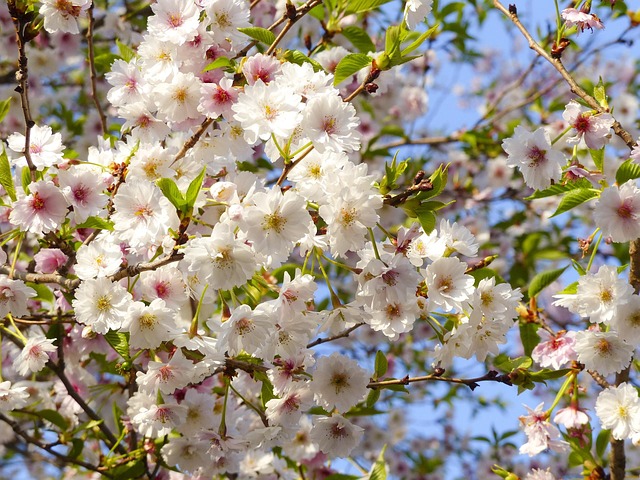
The best time to visit Japan is usually spring, from late March to May, or autumn, from October to November. These are the seasons when weather is generally comfortable, landscapes are at their most photogenic, and many first-time travelers feel they get the classic Japan experience.
That said, Japan is a year-round destination. Summer brings festivals and mountain escapes, winter brings ski season and hot springs, and even the rainy season can work if your priority is lower prices and fewer crowds in some destinations.
Quick answer: when is the best time to visit Japan?
- Best overall: April, May, October, and November
- Best for cherry blossoms: late March to early April, depending on the region
- Best for fall foliage: late October to late November
- Best for lowest crowds and better value: January, February, and parts of June
- Best for skiing: December to February, especially in Hokkaido and the Japanese Alps
Japan by season
| Season | Best for | What to expect |
|---|---|---|
| Spring (March to May) | Cherry blossoms, city breaks, mild weather | Beautiful scenery, comfortable temperatures, higher crowds |
| Summer (June to August) | Festivals, hiking, northern escapes | Heat and humidity in many cities, school holiday crowds |
| Autumn (September to November) | Fall colors, sightseeing, food trips | Pleasant weather, lower humidity, strong all-around season |
| Winter (December to February) | Snow, skiing, onsen trips | Cold weather, festive lights, good value outside peak ski areas |
Spring: the most popular season
Spring is the most famous time to visit Japan because of the cherry blossom season. Cities such as Tokyo, Kyoto, and Osaka are especially popular from late March into early April, though exact bloom timing changes each year.
If you want pleasant weather and classic scenery, spring is hard to beat. The trade-off is price and crowd pressure. Hotels in Kyoto and Tokyo can book up early, and major parks and headline attractions feel especially busy during bloom peaks and Golden Week.
Summer: great festivals, tougher weather
Summer in Japan is lively, but it is not the easiest season for every traveler. June often brings the rainy season in much of the country, while July and August can be hot and humid in Tokyo, Kyoto, and Osaka.
Still, summer works well if you want matsuri festivals, fireworks, alpine hiking, or time in cooler areas such as Hokkaido. It can also be a strong season for travelers who already know they care more about events than perfect sightseeing weather.
Autumn: the best balance for many travelers
If you ask frequent Japan visitors for the most comfortable season, many will say autumn. October and November usually bring crisp air, lower humidity, and excellent conditions for city sightseeing, temple visits, and scenic rail trips.
Fall foliage adds another visual peak to the calendar, especially in Kyoto, Nikko, and mountain regions. Crowds are still significant in popular places, but the travel experience often feels less intense than cherry blossom season.
Winter: underrated unless you dislike cold
Winter is a smart choice if you want a different side of Japan. Skiers and snowboarders head to Hokkaido, Niseko, Hakuba, and other snow destinations, while cities light up with winter illuminations and hot spring towns feel especially atmospheric.
Outside Christmas and New Year travel periods, winter can also be a good time for value. The main downside is shorter daylight and colder conditions for long walking days, especially if your trip is centered on Kyoto and Tokyo sightseeing.
Best time to visit Japan for first-time travelers
For most first-time visitors, April, May, October, and November are the safest bets. These months make it easier to enjoy Tokyo, Kyoto, Osaka, and day trips without dealing with peak summer humidity or deep winter cold.
If seeing cherry blossoms is your number one goal, plan carefully and book early, but understand that bloom timing can shift. If you want a more relaxed first trip, autumn is often the easier recommendation.
Cheapest time to visit Japan
The cheapest times are often mid-winter outside holiday spikes and some rainy-season weeks. January and February can offer better hotel deals in cities, while June can be cheaper in some destinations if you are comfortable with mixed weather.
Avoid assuming every low-season month is a bargain everywhere. Ski resorts, holiday periods, and major local events can still push prices up quickly.
Worst time to visit Japan
There is no single worst time for every traveler, but late July and August can be the toughest for general sightseeing because of heat and humidity. Golden Week, usually in late April to early May, can also be challenging because transport and accommodation get crowded across the country.
So, what is the best time to visit Japan?
If you want the best mix of weather, scenery, and overall travel comfort, visit in spring or autumn. Spring is best for cherry blossoms and classic first impressions, while autumn is often the best all-around season for easier sightseeing and beautiful landscapes.
If your budget matters more than perfect seasonal timing, winter and parts of early summer can still be smart choices. The right answer depends on whether you care most about blossoms, foliage, skiing, festivals, or better value.