The best time to visit Italy depends on what kind of trip you want. Italy can be incredible in spring, summer and fall, but the experience changes a lot between crowded August beach season and a slower shoulder-season city break.
For most travelers, the best overall time to visit Italy is April to June and September to October. These months usually offer the best mix of comfortable weather, strong sightseeing conditions and fewer crowds than the summer peak.
If your priority is beaches on the Amalfi Coast, Sicily or Sardinia, summer makes more sense. If you care most about Rome, Florence, Venice and classic sightseeing, late spring and early fall are usually the smartest windows.
Quick answer: when is the best time to visit Italy?
- Best overall: April to June and September to October
- Best for beaches: June to early September
- Best for cities and sightseeing: April, May, June, late September and October
- Best for lower crowds: April, early May and October
- Best for lower prices: November to March, outside holidays
Why shoulder season is often the sweet spot
Italy is one of Europe’s most in-demand destinations, and popular places can feel very crowded in peak summer. Shoulder season helps you avoid some of that pressure without giving up good weather.
In May, June, September and October, many destinations are still lively and scenic, but hotels are often less painfully priced than in the middle of summer. Cities are also easier to enjoy when you are not spending all afternoon walking in intense heat.
Spring in Italy: best for sightseeing and classic first trips
Spring is one of the best times to visit Italy, especially from April through June. This season works very well for first-time travelers who want to mix major cities, day trips and some countryside time.
Why spring works so well
- Comfortable temperatures for walking in Rome, Florence and Venice
- Longer daylight hours by late spring
- Greener landscapes in Tuscany and other rural areas
- Better crowd balance than July and August
Late April, May and early June are especially strong if you want a broad Italy itinerary without the full summer crush.
Summer in Italy: best for coast trips and beach weather
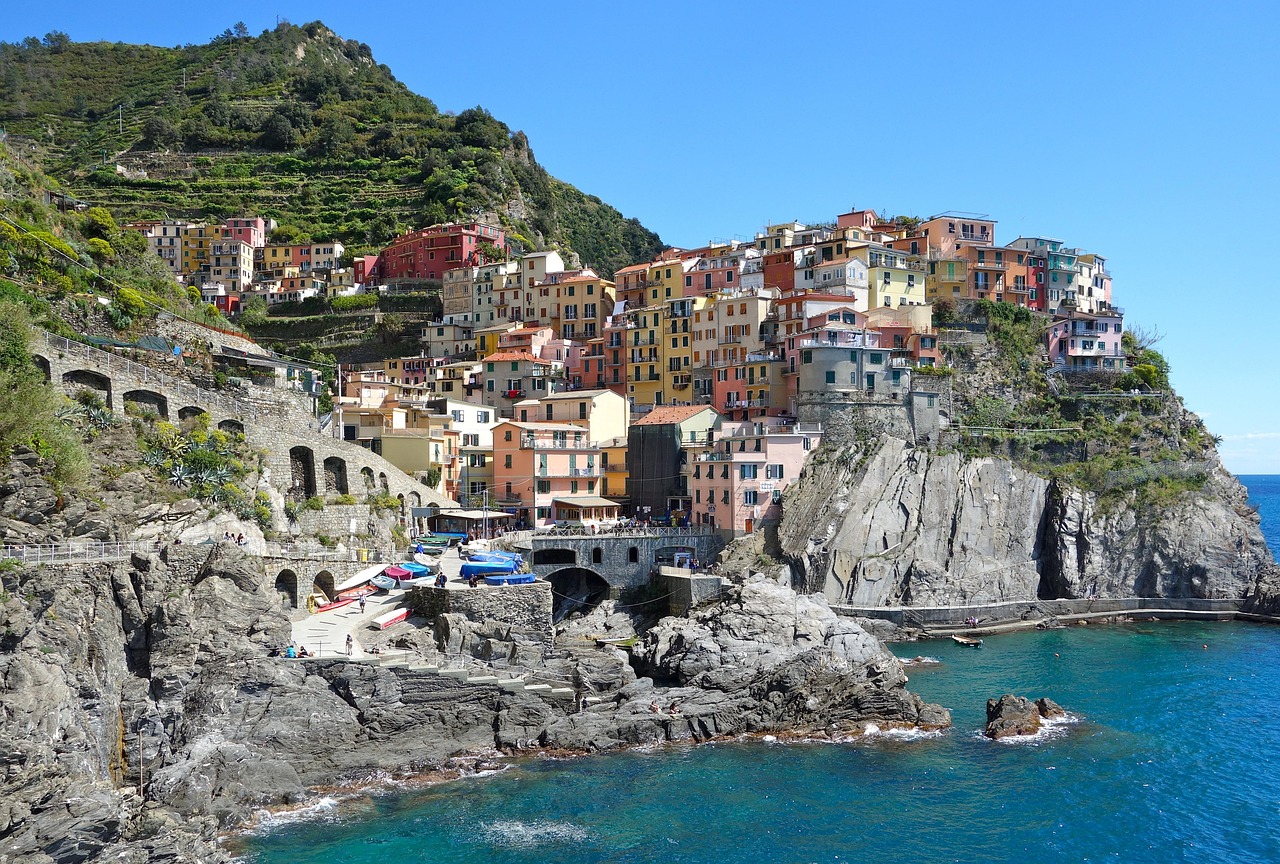
Summer is the best time for travelers focused on Italy’s coast, islands and beach destinations. Places like the Amalfi Coast, Cinque Terre, Puglia, Sicily and Sardinia are at their liveliest in June, July and August.
Summer is best for:
- Beach vacations and swimming
- Boat trips and coastal scenery
- Outdoor dining and long evenings
- Island-focused itineraries
The tradeoffs of summer
- Crowds are heaviest in famous destinations
- Hotel prices are much higher in many coastal areas
- Cities like Rome and Florence can feel hot and tiring
- August can be especially busy because of European holiday travel
If you want warm coast weather but a slightly easier experience, June and September are often better choices than August.
Fall in Italy: one of the smartest times to go
September and October are excellent months for Italy. Early fall often still feels warm enough for coastal trips, while city sightseeing becomes more comfortable and the pace improves after the height of summer.
For many travelers, September is the single best month to visit Italy. It usually offers warm weather, active destinations and a better crowd-to-comfort ratio than July or August.
Why fall is such a strong choice
- Comfortable conditions for cities and road trips
- Warm weather often continues into September
- Popular destinations feel less chaotic after peak season
- Good balance for trips that mix cities, coast and countryside
Winter in Italy: best for budget travel and fewer tourists
Winter is not the best season for a first trip focused on coast and countryside, but it can be very good for travelers who want lower prices and fewer crowds. Cities like Rome, Florence and Milan are still worth visiting in winter, especially if you care more about museums, food and atmosphere than beach weather.
December can be festive, but winter weather is less reliable and some coastal or island destinations feel much quieter.
Best time to visit Italy for Rome, Florence and Venice
For classic city sightseeing, the best time to visit Italy is usually April to June and late September to October. These months are much more comfortable for walking-heavy days than midsummer.
If your trip is mostly Rome and Florence, avoid the hottest weeks of July and August if possible. The cities are still worth seeing, but the experience is often less pleasant.
Best time to visit Italy for the Amalfi Coast and beaches
If your priority is the Amalfi Coast or a beach-focused trip, aim for June, late June or September. July and August are lively and hot, but they also bring the biggest crowds and highest prices.
September is often ideal because the weather is still warm, sea conditions are usually good and the atmosphere is slightly less intense than in August.
Cheapest time to visit Italy
The cheapest broad season is usually November through March, excluding major holiday periods. This is when you are most likely to find lower hotel rates in many cities, though some resort-style destinations become less appealing or less active.
If you want a compromise between price and experience, look at April or October.
Final verdict: when should you visit Italy?
For most travelers, the best time to visit Italy is late spring or early fall. Choose May or June for classic sightseeing with long days, or September for warm weather with a better crowd balance.
If beaches matter most, lean toward summer, especially June or September. If comfort, value and city sightseeing matter most, shoulder season is the clear winner.